The Growing Demand for Natural Food Colors in Modern Food Production Worldwide
Consumers today pay closer attention to food ingredients than ever before, making natural color solutions an important part of the modern food industry. Attractive colors enhance the visual appeal of food and beverages while also influencing purchasing decisions. As awareness of ingredient quality continues to increase, manufacturers are exploring naturally derived alternatives that meet both market expectations and product standards.
Natural food colors are now used in a wide variety of products, including beverages, confectionery, dairy items, baked goods, snacks, and sauces. They offer manufacturers an opportunity to create visually appealing products while aligning with changing consumer preferences. This article explains the importance of natural food colors, discusses quality considerations, explores their applications across different industries, and highlights why selecting reliable suppliers plays a significant role in product development.
The Rising Importance of Natural Food Colors
The food industry has experienced a noticeable shift toward ingredients obtained from natural sources. Many manufacturers searching for reliable supply options often use the term natural food coloring wholesale when looking for large-scale purchasing opportunities that support consistent production.
Natural food colors are commonly extracted from fruits, vegetables, flowers, algae, and other plant-based materials. These ingredients allow manufacturers to create vibrant products while maintaining a focus on naturally derived components. Color consistency is an important factor because consumers expect food products to maintain an attractive appearance across every production batch.
Selecting high-quality natural color solutions also supports product innovation. As companies introduce new recipes and product lines, dependable color performance becomes essential for maintaining brand identity and consumer confidence.
Quality Standards and Production Considerations
The effectiveness of natural food colors depends on several factors, including raw material quality, processing methods, and storage conditions. Manufacturers generally prefer ingredients that deliver stable color while remaining compatible with different food formulations.
Temperature, acidity, moisture, and light exposure may influence color performance during production and storage. Understanding these factors helps manufacturers select suitable coloring solutions for specific applications.
Reliable production processes contribute to consistent results and support quality control throughout manufacturing. Careful sourcing also helps ensure that natural ingredients maintain their intended appearance and functionality in finished products.
Innovation within food technology continues to improve the stability and versatility of naturally derived colors. As research advances, manufacturers gain access to solutions that perform well across a broader range of food categories.
Applications Across Different Food Industries
Natural food colors have become valuable ingredients in many sectors of the food and beverage industry. Beverage manufacturers use them to create refreshing drinks with appealing shades, while bakeries apply them to cakes, pastries, and decorative toppings.
Dairy products such as yogurt, ice cream, and flavored milk also benefit from attractive natural colors that enhance visual appeal without overwhelming the product's overall presentation. Snack manufacturers frequently incorporate natural color ingredients into chips, crackers, and healthy snack options.
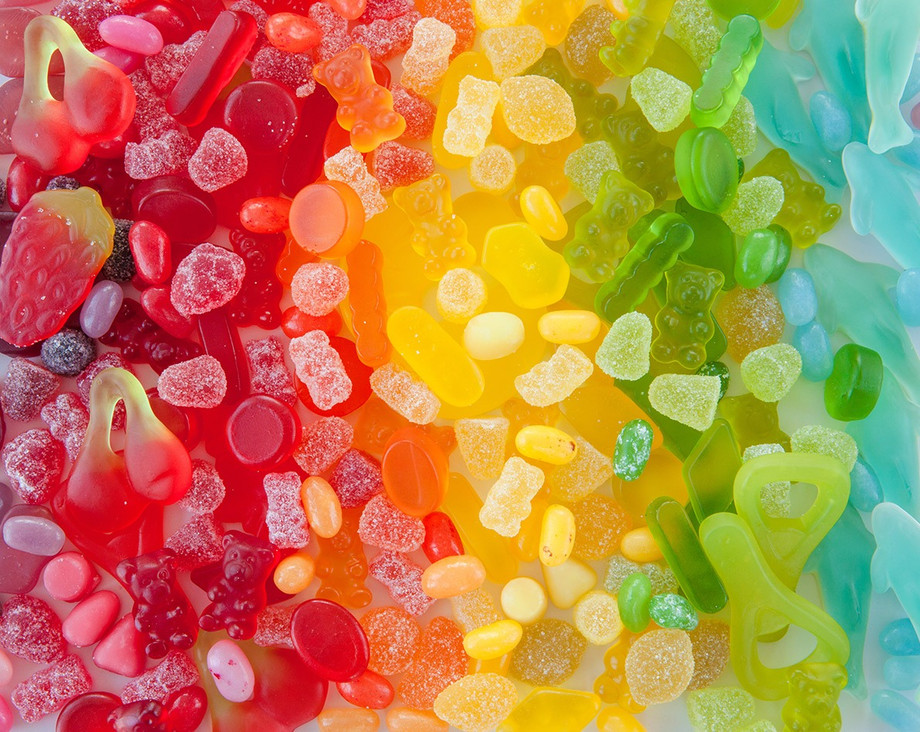
Confectionery products rely heavily on color to attract consumers. Chocolates, gummies, candies, and dessert decorations often use naturally derived coloring ingredients to achieve bright and appealing finishes. The growing demand for visually attractive foods continues to encourage innovation in this area.
Meeting Consumer Expectations Through Responsible Choices
Modern consumers often associate simple ingredient lists with product quality. This trend encourages manufacturers to select ingredients that reflect transparency and natural sourcing. Products made with organic food coloring are becoming increasingly popular among businesses that wish to meet changing customer preferences.
Food manufacturers also recognize the importance of balancing appearance with overall product quality. Attractive colors should complement flavor, texture, and freshness while maintaining consistency throughout the product's shelf life.
As market expectations continue to evolve, organic food coloring offers manufacturers additional opportunities to create products that appeal to customers seeking naturally inspired ingredients. Careful product development and ingredient selection remain important factors in achieving successful outcomes across different food categories.
Conclusion
Natural food colors continue to play a significant role in modern food production by improving product appearance while supporting the growing preference for naturally sourced ingredients. Careful selection of raw materials, dependable manufacturing practices, and attention to product stability all contribute to successful food development. These factors help manufacturers deliver visually appealing products that meet quality expectations across many industries.
For businesses seeking additional information about natural color solutions, foodrgb.com serves as a valuable resource for exploring products and learning more about naturally derived food coloring options. Choosing dependable suppliers and maintaining consistent quality standards remain essential steps toward producing attractive and reliable food products.
In conclusion, the continued growth of natural food colors reflects the changing priorities of both manufacturers and consumers. By focusing on quality, innovation, and responsible ingredient selection, the food industry can continue developing products that combine appealing appearance with reliable performance for a wide range of applications.


Comments
Post a Comment