Natural Food Colors: A Smart Choice for Modern Food Innovation and Quality
Food appearance plays a major role in how people perceive freshness, flavor, and overall quality. A vibrant color can make products more attractive and improve the eating experience before the first bite. As consumer awareness continues to grow, manufacturers are increasingly choosing ingredients that support cleaner labels and naturally inspired formulations. Coloring solutions obtained from plant-based sources have become valuable alternatives in many food applications.
Natural color ingredients are now widely used in beverages, bakery products, confectionery, dairy products, snacks, and processed foods. They offer manufacturers an opportunity to create visually appealing products while meeting changing consumer preferences. The main point discussed in this article is how naturally derived food colors contribute to product quality, the advantages they offer to food manufacturers, and the factors that should be considered when selecting the right coloring solution.
Understanding Natural Food Coloring Solutions
natural food coloring powder has become an increasingly popular option because it combines convenience with excellent versatility. Powder-based color solutions are generally easier to store, transport, and incorporate into different manufacturing processes. Their stable form often supports longer shelf life under suitable storage conditions while reducing handling challenges during production.
Manufacturers use these color powders in a wide variety of products, including bakery items, dry beverage mixes, confectionery, seasonings, instant foods, nutritional products, and snack coatings. The exact application depends on the desired shade, processing conditions, and formulation requirements.
One advantage of powdered food colors is flexibility. They can often be blended with other natural ingredients to achieve different shades while maintaining consistent production quality. Food developers also appreciate the ability to control dosage accurately, helping create uniform product appearance from one production batch to another.
The growing interest in plant-based ingredients has encouraged greater innovation in natural coloring technologies. Modern extraction and processing methods continue to improve color intensity, stability, and performance across multiple food categories.
Why Natural Colors Are Becoming More Important
Consumer purchasing habits have changed significantly over recent years. Many shoppers carefully read ingredient labels before making buying decisions. Products containing naturally derived ingredients often appeal to consumers seeking simpler and more recognizable formulations.
Food manufacturers also benefit from using natural color systems because they can support premium product positioning. Attractive appearance remains important, but transparency regarding ingredient sourcing has become equally valuable.
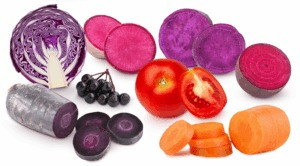
Natural food colors are available in many shades obtained from fruits, vegetables, flowers, algae, and other botanical sources. Each source offers unique characteristics that may perform differently depending on acidity, processing temperatures, moisture levels, and storage conditions.
Selecting the most suitable natural color therefore requires careful evaluation of both technical performance and the intended food application. Product developers frequently conduct stability testing to ensure color consistency throughout production, packaging, transportation, and shelf life.
Factors That Influence Color Performance
Several elements influence the effectiveness of natural food colors in commercial food production. Temperature during processing can affect certain pigments, while exposure to light and oxygen may gradually alter color intensity over time. Moisture content, pH level, and ingredient interactions also contribute to final product appearance.
For this reason, manufacturers often perform formulation trials before introducing new products into commercial production. Testing allows technical teams to identify suitable concentrations and evaluate how the color behaves under actual manufacturing conditions.
Packaging also plays an important role. Proper packaging materials can help protect sensitive natural pigments from environmental factors that might reduce color stability. Storage recommendations are equally important to maintain consistent product quality throughout distribution.
Research and development continue to improve extraction technologies and ingredient performance, making naturally sourced colors increasingly suitable for demanding food applications.
Applications of Black Carrot Color in Food Products
Black Carrot color has become a widely recognized natural coloring solution for products requiring attractive red, purple, or violet shades. Derived from black carrots, this color source is valued for its ability to create visually appealing products across several food categories while supporting naturally inspired formulations.
Applications may include beverages, fruit preparations, confectionery, dairy products, desserts, bakery fillings, frozen products, and specialty foods. The specific shade achieved depends on formulation characteristics, processing methods, and the acidity of the final product.
One reason manufacturers appreciate Black Carrot color is its compatibility with various product formulations that require appealing visual presentation. Product developers often evaluate color stability alongside taste, texture, and overall appearance to ensure balanced product quality.
As consumer demand for naturally derived ingredients continues to expand, botanical color sources such as black carrot remain valuable options for companies seeking reliable coloring solutions that align with current market preferences.
Choosing the Right Natural Coloring Strategy
Developing an attractive food product requires balancing appearance, stability, manufacturing efficiency, and ingredient compatibility. Every product category presents different technical requirements, making careful ingredient selection an important part of successful product development.
Manufacturers typically evaluate factors such as processing temperature, storage environment, desired shade, product shelf life, and regulatory requirements before selecting a color source. Collaboration between formulation specialists and ingredient suppliers can help optimize product performance while maintaining production efficiency.
Continuous innovation has expanded the availability of natural color options, allowing food companies to create products that satisfy both technical expectations and consumer preferences. As technology advances further, naturally derived food colors are expected to become even more versatile across diverse food applications.
Conclusion
Natural food colors continue to play an increasingly important role in modern food manufacturing by supporting attractive product appearance while meeting growing consumer interest in naturally derived ingredients. Careful selection, proper formulation, suitable processing methods, and appropriate storage conditions all contribute to achieving consistent color performance across different food categories.
For businesses exploring innovative ingredient solutions, foodrgb.com offers a useful resource for learning more about natural food coloring options and their applications. As research and technology continue to improve botanical color solutions, manufacturers can confidently develop visually appealing products that combine quality, consistency, and market appeal while responding to the evolving expectations of today's consumers.


Comments
Post a Comment