Discover the Beauty of Natural Colours in Modern Ice Cream and Food Innovation Today
A vibrant colour is often the first feature that attracts attention to a delicious dessert or food product. Before tasting a scoop of ice cream or enjoying a favourite snack, consumers usually notice its appearance. Bright and appealing colours create positive first impressions and influence purchasing decisions. As food preferences continue to evolve, manufacturers are placing greater emphasis on attractive presentation while maintaining product quality and consumer confidence.
The growing demand for visually appealing foods has encouraged producers to explore safer and more sustainable colouring options. At the same time, consumers have become more interested in understanding the ingredients used in everyday food products. This article explains the importance of food colours, explores their role in frozen desserts, discusses the advantages of naturally sourced colouring solutions, and highlights why careful ingredient selection contributes to both product appeal and customer satisfaction.
The Importance of Colour in Ice Cream Products
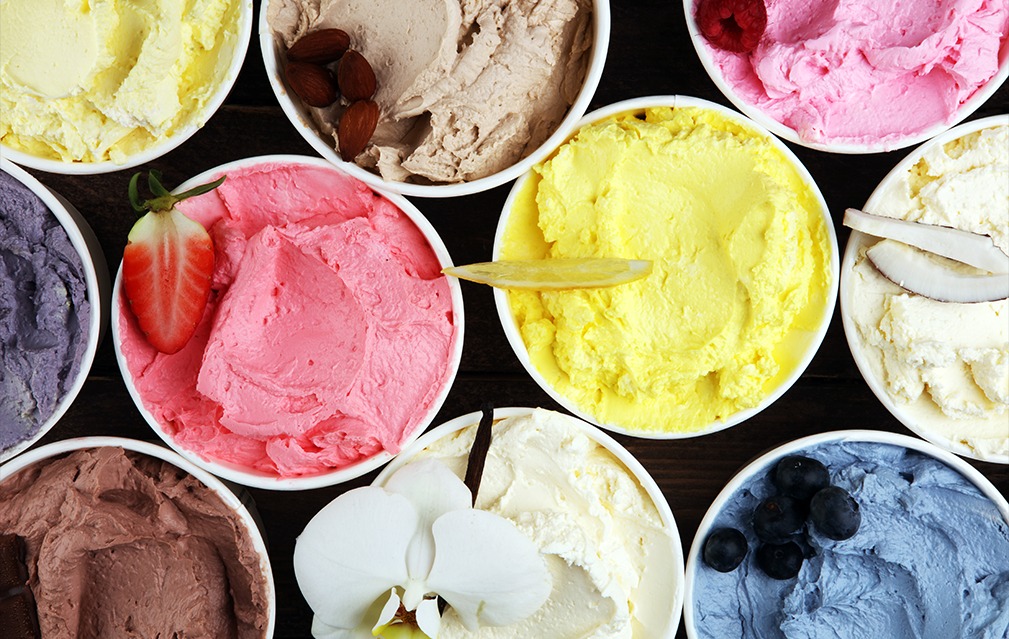
The use of ice cream colours plays a significant role in creating products that immediately attract consumers. Colour helps communicate flavour expectations before the first taste. A rich strawberry shade suggests fruit flavour, while soft green often represents mint and golden yellow commonly reflects mango or vanilla-based creations.
Manufacturers carefully select colours that remain stable during freezing, storage, and transportation. Consistent appearance is important because customers often associate visual quality with freshness and overall product value. Attractive colours also help brands create a memorable identity in a highly competitive marketplace.
Modern ice cream production focuses not only on flavour but also on delivering an enjoyable visual experience. Well-balanced colours improve shelf appeal while encouraging consumers to explore different varieties and seasonal offerings. As consumer preferences continue to evolve, colour remains an essential part of successful product development.
Why Appearance Influences Consumer Choices
Visual presentation strongly affects purchasing decisions across many food categories. Consumers often expect products to look fresh, vibrant, and consistent with their advertised flavours. Colour helps establish these expectations before a product is opened or tasted.
A carefully designed appearance can improve brand recognition and increase customer confidence. Consistency across different production batches also strengthens trust because buyers expect the same visual quality every time they purchase a familiar product.
Food manufacturers invest considerable effort into maintaining colour stability throughout processing, packaging, storage, and distribution. Temperature changes, light exposure, and ingredient interactions can all influence colour performance, making careful formulation an important part of product development.
As food innovation continues to advance, appearance remains closely connected to consumer satisfaction and purchasing behaviour.
Choosing Quality Ingredients for Better Food Products
Ingredient selection plays an important role in producing visually attractive and high-quality foods. Manufacturers evaluate colour stability, compatibility with recipes, processing requirements, and regulatory standards before selecting colouring solutions.
Product developers also consider flavour balance, texture, shelf life, and manufacturing efficiency alongside appearance. Every ingredient contributes to the overall consumer experience, making careful formulation essential throughout the production process.
Research and innovation continue to improve colouring technologies that perform well under different manufacturing conditions. Advances in food science allow manufacturers to achieve appealing colours while meeting changing consumer expectations and industry standards.
Reliable quality control further supports consistent product appearance and helps maintain customer confidence across different product lines.
The Growing Demand for Naturally Sourced Colours
Consumer interest in natural food colours has increased significantly as more people seek products made with ingredients derived from natural sources. Manufacturers are responding by exploring colouring solutions obtained from fruits, vegetables, plants, algae, and other naturally occurring materials.
Naturally sourced colours are now used across a wide variety of food applications, including beverages, dairy products, confectionery, bakery items, frozen desserts, and snacks. Continuous improvements in food technology have enhanced their stability, allowing manufacturers to achieve attractive appearances while maintaining product quality.
The increasing popularity of naturally sourced ingredients also reflects broader market trends that emphasize transparency, ingredient awareness, and sustainable product development. As innovation continues, naturally derived colouring solutions are expected to play an even greater role in future food manufacturing.
Careful research and formulation remain important for ensuring that naturally sourced colours perform effectively throughout processing, storage, and distribution.
Conclusion
Colour continues to be one of the most important elements influencing food presentation, product appeal, and consumer purchasing decisions. Careful ingredient selection, consistent manufacturing processes, and advances in food technology all contribute to creating visually attractive products that meet modern quality expectations. As consumer preferences continue to evolve, naturally sourced colouring solutions are becoming an increasingly valuable part of food innovation.
For businesses and manufacturers seeking additional information about modern colouring solutions, foodrgb.com provides valuable resources and industry knowledge. Whether selecting ice cream colours for frozen desserts or exploring natural food colours for a wide range of food applications, informed ingredient choices and continuous product development can support attractive, high-quality products that meet changing market expectations.


Comments
Post a Comment