Bright Natural Food Colors Are Transforming Modern Food and Beverage Innovation
A vibrant appearance is often the first thing people notice about food, making natural color solutions increasingly valuable in modern food production. Consumers are becoming more aware of ingredient choices, encouraging manufacturers to explore plant-based alternatives that deliver appealing colors without compromising product quality.
Natural coloring ingredients have gained popularity because they combine visual appeal with cleaner labels and growing consumer confidence. This article explains the importance of natural food colors, their benefits, and how they support innovation across the food industry.
Understanding the Value of Natural Color Solutions
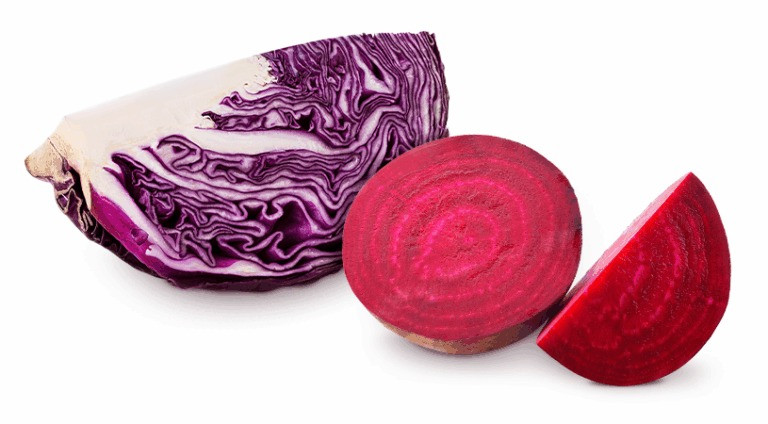
Natural food colors are derived from fruits, vegetables, flowers, and other plant-based sources. These ingredients provide attractive shades while meeting the growing demand for naturally sourced food components. One of the most recognized examples is Beetroot Colour, which offers a rich red to deep pink appearance suitable for many food applications.
Manufacturers frequently select Beetroot Colour because it performs well in products such as beverages, confectionery, dairy items, bakery products, desserts, and sauces. Its naturally vibrant appearance allows brands to enhance product presentation while responding to changing consumer preferences for recognizable ingredients.
As awareness of ingredient transparency continues growing, naturally derived color solutions remain an important part of product development.
Growing Consumer Interest in Clean Labels
Modern shoppers increasingly examine ingredient lists before making purchasing decisions. Many consumers prefer products containing familiar, plant-derived ingredients instead of artificial additives. This trend has encouraged food manufacturers to reformulate products using naturally sourced alternatives.
Clean-label products often create greater consumer confidence because they emphasize simplicity and transparency. Natural coloring ingredients align well with these expectations by providing visually appealing products while maintaining ingredient clarity.
Food companies that invest in clean-label innovation often strengthen brand reputation by responding to evolving market demands.
Applications Across Multiple Food Categories
Natural color ingredients are suitable for a wide variety of food and beverage products. Their flexibility allows manufacturers to develop visually attractive products while maintaining product consistency across different categories.
Beverages benefit from vibrant natural shades that enhance freshness and visual appeal. Bakery products use natural colors to create decorative finishes and seasonal designs. Dairy products, confectionery, frozen desserts, and snack foods also incorporate natural coloring to improve overall presentation.
Successful product development depends on selecting colors that remain stable throughout manufacturing, storage, and distribution. Advances in ingredient technology continue improving the performance of natural coloring solutions across multiple applications.
Advantages for Food Manufacturers
Natural color ingredients provide several practical advantages beyond appearance. They support product differentiation, respond to market preferences, and help brands remain competitive within changing consumer environments.
Manufacturers often evaluate factors such as color stability, processing compatibility, pH sensitivity, and shelf-life performance before selecting ingredients. Careful formulation helps achieve consistent product quality while maintaining the desired appearance.
Innovation within food technology continues expanding opportunities for natural ingredients. Improved extraction methods and formulation techniques allow manufacturers to achieve reliable performance while maintaining attractive product presentation.
These ongoing improvements continue increasing the availability of high-quality natural coloring solutions.
The Importance of Plant-Based Coloring Ingredients
Growing interest in sustainable food production has increased attention toward organic food coloring as manufacturers seek naturally derived alternatives. High-quality organic food coloring supports product innovation while aligning with consumer preferences for responsibly sourced ingredients and cleaner formulations.
Plant-based color solutions often complement broader sustainability goals by utilizing renewable agricultural resources. They also support product positioning within health-conscious and environmentally aware markets where ingredient transparency remains an important purchasing consideration.
Food manufacturers continue exploring innovative natural sources that provide attractive colors while maintaining functionality across diverse production environments.
Quality Considerations During Product Development
Selecting the right natural color involves careful evaluation of processing conditions, ingredient compatibility, storage requirements, and final product characteristics. Different food applications present unique technical challenges that influence ingredient selection.
Temperature, acidity, moisture content, light exposure, and packaging conditions may all affect color performance. Professional formulation helps identify appropriate solutions that maintain visual consistency throughout product shelf life.
Reliable ingredient suppliers also contribute valuable technical support during product development. Their expertise helps manufacturers optimize formulations while minimizing production challenges.
Continuous testing and quality assurance remain essential for maintaining consistent results during commercial manufacturing.
Conclusion
Natural food coloring continues transforming modern food manufacturing by providing attractive appearance alongside greater ingredient transparency. As consumer expectations evolve, manufacturers increasingly rely on plant-derived solutions that combine visual quality, product performance, and clean-label appeal. Careful ingredient selection, professional formulation, and ongoing innovation all contribute to successful product development across numerous food categories.
Additional information about natural coloring solutions and related products can be explored through foodrgb.com while evaluating suitable options for different manufacturing applications. The growing popularity of Beetroot Colour and organic food coloring reflects the industry's continued movement toward naturally inspired products that meet both technical requirements and changing consumer preferences.


Comments
Post a Comment