Bright Food Colors Begin with Quality Ingredients and Trusted Manufacturing Standards
Color is often the first feature that attracts attention to a food product. A vibrant appearance can improve visual appeal and influence purchasing decisions before the first bite is taken. From beverages and confectionery to bakery products and dairy items, food colors play an important role in creating an attractive presentation while maintaining product consistency.
As consumer preferences continue to evolve, manufacturers are paying greater attention to ingredient quality, product safety, and sustainable sourcing. Selecting reliable coloring solutions has become an essential part of food production. This article explains the importance of food color selection, discusses supplier quality, explores modern color trends, and highlights the growing demand for naturally sourced ingredients in the food industry.
The Importance of Choosing Reliable Suppliers
Working with experienced food coloring powder suppliers helps food manufacturers maintain consistent product quality and reliable production standards. High-quality powdered food colors offer several practical advantages, including longer shelf life, easier storage, accurate measurement, and consistent color performance across different food applications.
Reliable suppliers typically focus on quality control throughout the manufacturing process. Careful testing, standardized production methods, and proper packaging all contribute to maintaining product stability and performance.
Food manufacturers also benefit from suppliers that provide clear product information, technical support, and dependable delivery schedules. Consistency in raw materials supports efficient production while helping businesses maintain customer satisfaction.
Choosing experienced suppliers contributes to long-term product reliability and manufacturing confidence.
Why Food Color Matters in Product Development
Food color serves an important purpose beyond appearance. Attractive colors help communicate freshness, flavor expectations, and product identity. Consumers often associate certain colors with familiar tastes, making visual presentation an essential part of product development.
Different food categories require different coloring characteristics. Beverages may require highly soluble ingredients, while bakery products often need colors that remain stable during baking. Dairy products, confectionery, snacks, sauces, and frozen desserts each present unique formulation requirements.
Selecting suitable color solutions helps manufacturers achieve consistent results across different production environments. Careful evaluation of product compatibility supports both appearance and processing efficiency.
Visual consistency strengthens brand recognition and consumer confidence.
Innovation in Modern Food Coloring Solutions
The food industry continues to develop advanced coloring technologies that improve stability, processing efficiency, and application flexibility. Manufacturers increasingly seek solutions that perform well under varying temperatures, pH levels, moisture conditions, and storage environments.
Research and innovation have expanded the availability of coloring options suitable for diverse food products. Improved production methods also help maintain consistent quality while supporting efficient manufacturing processes.
As global food markets continue to grow, ingredient innovation remains an important factor in meeting changing consumer expectations and regulatory requirements. Reliable color performance contributes to both product quality and production efficiency.
Modern food coloring technologies continue to support creative product development across many industries.
Growing Demand for Naturally Sourced Colors
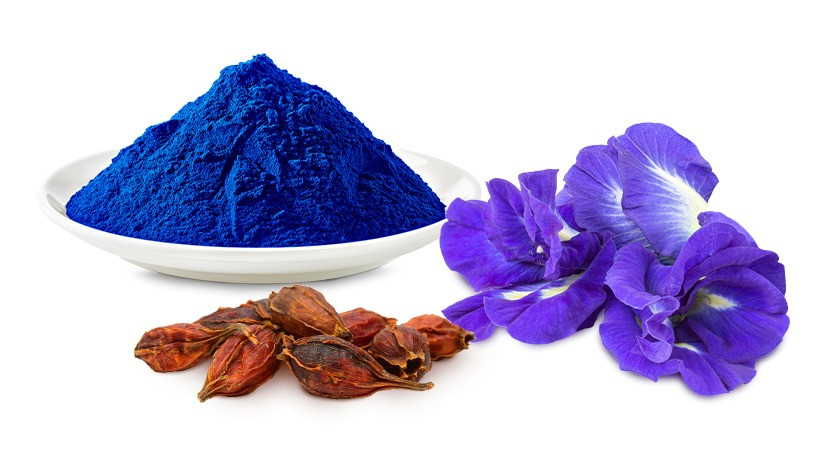
Consumer interest in cleaner ingredient labels has increased the popularity of natural food colors across many food categories. These coloring solutions are commonly derived from fruits, vegetables, plants, algae, and other naturally occurring sources, making them attractive for manufacturers responding to changing market preferences.
Many companies continue investing in research that improves the stability and application performance of naturally sourced colors. Advances in processing technology have expanded their suitability for beverages, confectionery, dairy products, baked goods, snacks, and prepared foods.
Manufacturers selecting naturally derived colors often consider factors such as product compatibility, processing conditions, shelf stability, and desired color intensity. Careful selection supports consistent product appearance while meeting evolving consumer expectations.
The continued growth of naturally sourced ingredients reflects broader trends toward ingredient transparency and product quality.
Conclusion
Food coloring remains an essential element of modern food manufacturing, supporting product appeal, brand consistency, and consumer satisfaction. Selecting dependable suppliers, maintaining high production standards, embracing technological innovation, and responding to changing consumer preferences all contribute to successful product development. Careful ingredient selection helps manufacturers create attractive food products while maintaining quality and reliability.
For businesses seeking dependable coloring solutions and industry expertise, foodrgb.com offers valuable information and professional product support. Whether working with food coloring powder suppliers to improve manufacturing consistency or exploring natural food colors for modern food formulations, choosing quality ingredients remains an important step toward creating successful food products.


Comments
Post a Comment