The Growing Popularity of Natural Food Colors in Modern Food Production
Color plays a powerful role in the way people perceive food, often influencing expectations about freshness, flavor, and quality before the first bite is taken.
Food manufacturers, chefs, and consumers increasingly recognize the importance of ingredients that not only enhance appearance but also align with evolving preferences for natural products. Among the many coloring options available today, naturally derived colorants continue to gain attention because they offer vibrant shades while supporting clean-label trends.
This article explores the importance of natural food coloring, the role of annatto-based ingredients, and why these color solutions remain valuable in modern food production. The main argument discussed is that natural food colorants provide an effective and appealing alternative to synthetic coloring agents while meeting consumer demand for recognizable ingredients.
Understanding Annatto and Its Origins
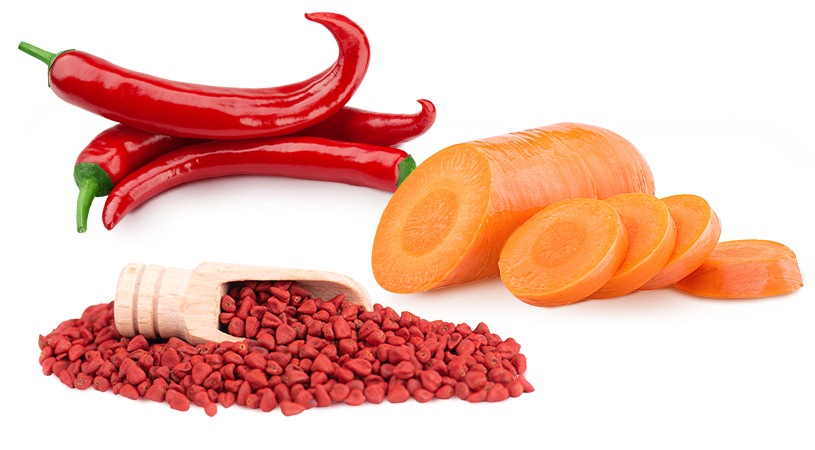
One of the most widely used natural coloring ingredients is Annatto Powder, which is derived from the seeds of the achiote tree. This plant is native to tropical regions and has been used for centuries in culinary and cultural applications.
The popularity of Annatto Powder comes from its ability to produce appealing shades ranging from yellow to orange. Food manufacturers often incorporate it into a variety of products because it offers consistent coloring performance while being sourced from a natural origin.
Annatto-based colorants are commonly used in dairy products, snacks, baked goods, sauces, and processed foods. Their versatility makes them suitable for many different food applications across global markets.
As demand for naturally sourced ingredients continues to increase, annatto remains a preferred option for numerous food producers.
Why Food Color Matters in Consumer Perception
Visual appearance is often one of the first factors consumers notice when evaluating food products. Color can communicate freshness, quality, ripeness, and flavor expectations before tasting occurs.
A bright and appealing appearance can enhance the overall consumer experience. For this reason, food manufacturers invest considerable effort into maintaining consistent color across product lines.
Color consistency is especially important in packaged foods because consumers often associate familiar colors with trusted quality standards. Variations in appearance may influence purchasing decisions and brand perception.
Natural colorants provide manufacturers with opportunities to achieve desired visual effects while responding to growing consumer interest in ingredient transparency.
The Shift Toward Natural Food Ingredients
Consumer preferences have changed significantly over the past decade. Many shoppers now examine ingredient labels carefully and seek products containing recognizable and naturally sourced components.
This shift has encouraged food producers to explore alternatives to synthetic additives. Natural coloring solutions often support clean-label initiatives that emphasize simplicity and transparency.
Regulatory considerations and evolving market expectations have also contributed to increased interest in naturally derived ingredients. Companies often view natural colorants as valuable tools for aligning products with consumer preferences.
As awareness continues to grow, natural food colors are expected to remain an important part of food innovation and product development.
Applications Across Different Food Categories
Natural coloring ingredients are used in a wide variety of food products. Dairy items, beverages, snacks, confectionery products, sauces, and baked goods frequently incorporate colorants to improve appearance and consistency.
The versatility of these ingredients supports their use across multiple processing environments and formulation requirements. Manufacturers often select specific colorants based on desired shade, stability, and compatibility with product ingredients.
Natural color solutions can contribute to attractive product presentation while maintaining alignment with consumer expectations regarding ingredient quality. This flexibility helps support innovation across many sectors of the food industry.
The continued expansion of natural food coloring applications reflects their growing importance within modern food manufacturing.
The Role of Yellow Shades in Food Design
Color selection often depends on the type of product being developed. Many foods benefit from warm and inviting shades that communicate freshness and appeal. As a result, yellow food coloring remains an important category within the food industry.
Manufacturers frequently use yellow food coloring in products such as cheeses, baked goods, sauces, snacks, and beverages to achieve attractive visual characteristics. These shades can help create familiar appearances that consumers associate with specific flavors or product categories.
Natural alternatives are increasingly being considered for yellow color applications because they support clean-label objectives while delivering effective results. This trend reflects broader industry efforts to balance functionality and consumer expectations.
The ability to achieve vibrant yellow shades through naturally sourced ingredients contributes to the ongoing popularity of these solutions.
Future Trends in Natural Food Coloring
The future of food coloring is likely to be influenced by continued innovation in natural ingredient development. Researchers and manufacturers are exploring new techniques that improve stability, color intensity, and application flexibility.
Advancements in extraction methods and formulation technologies may expand the range of natural colors available for commercial use. These improvements could support broader adoption across food categories and production systems.
Consumer interest in sustainability and transparency is also expected to influence future product development. Natural colorants align with these priorities by providing alternatives that originate from plant-based sources.
As food trends continue to evolve, natural coloring solutions will likely remain an important component of modern product innovation.
Conclusion
Natural food colorants have become increasingly valuable as consumer preferences shift toward recognizable and naturally sourced ingredients. Annatto-based products and other plant-derived color solutions help manufacturers create visually appealing foods while supporting clean-label goals. Additional information about food coloring solutions and ingredient innovations can be explored through foodrgb.com, offering valuable insights into modern food color applications.
The key points discussed throughout this article highlight the significance of natural colorants, the versatility of annatto-derived ingredients, and the growing demand for transparency in food production. As innovation continues across the food industry, natural coloring solutions are expected to remain an essential part of creating attractive and consumer-friendly products.


Comments
Post a Comment