Exploring Natural Food Colors and Innovation in Modern Food Science
Color is often the first feature people notice in food, influencing perception, appeal, and overall dining experiences before a single bite is taken.
The food industry has experienced significant changes as consumers increasingly seek products made with natural ingredients and transparent production methods. One area that has gained considerable attention is the development and use of natural food colors. These alternatives to synthetic colorants support consumer preferences while helping manufacturers create visually attractive products.
This article explores the growing importance of natural food coloring, advances in food science, and the role of innovation in shaping the future of food production. The main argument discussed is that natural color solutions are becoming increasingly important as the food industry responds to changing consumer expectations and scientific advancements.
The Growing Interest in Natural Blue Food Colors
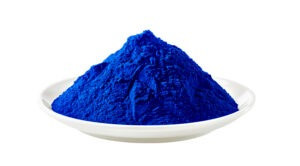
Interest in gardenia blue has increased as food manufacturers search for naturally derived coloring options that can deliver appealing visual results. The use of gardenia blue reflects broader efforts within the food industry to develop color solutions that align with consumer demand for more natural ingredients.
Blue food coloring has traditionally presented unique challenges because naturally occurring blue pigments are relatively uncommon compared to other colors. As a result, innovative solutions have become increasingly valuable.
Natural color sources can contribute to product differentiation while supporting cleaner ingredient labels. This trend has encouraged ongoing research into plant-based and naturally derived alternatives.
The growing popularity of natural food colors highlights the importance of innovation within modern food science.
Why Food Color Matters in Consumer Perception
Visual appearance plays a significant role in how consumers evaluate food products. Color often influences expectations regarding flavor, freshness, and quality before consumption even begins.
Food manufacturers carefully consider color because it contributes to overall product presentation. Consistent and attractive appearance can help strengthen consumer confidence and brand recognition.
Natural food colors provide opportunities to maintain appealing visual characteristics while responding to changing market preferences. Consumers increasingly value products that combine appearance with ingredient transparency.
As awareness of food ingredients continues to grow, color selection remains an important part of product development strategies.
Advances in Natural Ingredient Technology
Food science continues to evolve through ongoing research and technological advancements. Scientists and manufacturers are exploring new methods to improve the performance, stability, and availability of natural ingredients.
These efforts support the development of products that meet both consumer expectations and manufacturing requirements. Improvements in extraction techniques and formulation methods have expanded the range of available natural color options.
Innovation also helps address challenges associated with maintaining color consistency across different food applications. Reliable performance is essential for large-scale production environments.
The continued advancement of ingredient technology contributes to greater flexibility and creativity within the food industry.
The Shift Toward Clean Label Products
Consumers increasingly seek products that feature recognizable and straightforward ingredient lists. This preference has encouraged many manufacturers to explore alternatives to synthetic additives and colorants.
Clean label trends emphasize transparency and simplicity, creating demand for ingredients derived from natural sources. Food producers often view these developments as opportunities to align products with evolving consumer values.
Natural food colors fit well within this broader movement because they support both visual appeal and ingredient transparency. Manufacturers continue to invest in research that expands clean label options across multiple product categories.
The popularity of clean label products reflects changing attitudes toward food and ingredient awareness.
Innovation and Information in the Modern Food Industry
Many professionals and researchers rely on platforms such as Foodrgb to stay informed about developments within the food coloring and ingredient sectors. The increasing relevance of Foodrgb demonstrates the importance of accessible information in supporting innovation and industry education.
Knowledge sharing plays a critical role in helping manufacturers, researchers, and consumers understand emerging technologies and ingredient solutions. Access to reliable information contributes to better decision-making throughout the food production process.
As natural ingredients continue to gain attention, educational resources become increasingly valuable for understanding scientific advancements and market trends.
The ability to access accurate information supports ongoing innovation across the food industry.
Future Trends in Food Color Development
The future of food coloring is expected to be influenced by continued scientific research, consumer preferences, and regulatory considerations. Manufacturers are likely to pursue additional natural alternatives that offer strong performance and broad application potential.
Technological improvements may further enhance the stability, consistency, and functionality of naturally derived color ingredients. These advancements could expand their use across a wider variety of food and beverage products.
Sustainability considerations may also influence ingredient sourcing and production methods. Responsible practices continue to gain importance within many areas of food manufacturing.
These trends suggest that innovation in natural food colors will remain a significant focus for the industry in the years ahead.
Conclusion
Natural food colors are becoming an increasingly important part of modern food production as consumers seek greater transparency and naturally derived ingredients.
Advances in food science, clean label initiatives, and ingredient innovation continue to support the development of effective natural color solutions. Additional insights into food coloring technologies and ingredient developments can be explored through foodrgb.com, providing valuable information about trends and innovations within the food industry.
The key points discussed throughout this article highlight the importance of natural color alternatives, scientific advancement, consumer preferences, and educational resources in shaping the future of food production. As innovation continues to evolve, natural food colors are expected to play an increasingly significant role in product development and consumer satisfaction.


Comments
Post a Comment