Enhance Your Products with Trusted Food Color Suppliers
Introduction
Color plays a powerful role in how we perceive and enjoy food. From the bright reds in candies to the rich yellows in bakery items, food coloring enhances the visual appeal and helps define a product’s identity. However, with growing awareness about health and sustainability, businesses and consumers are becoming more selective about the ingredients they use. This shift has increased the demand for safe and sustainable coloring optionsprovided by professional food color suppliers across the globe.
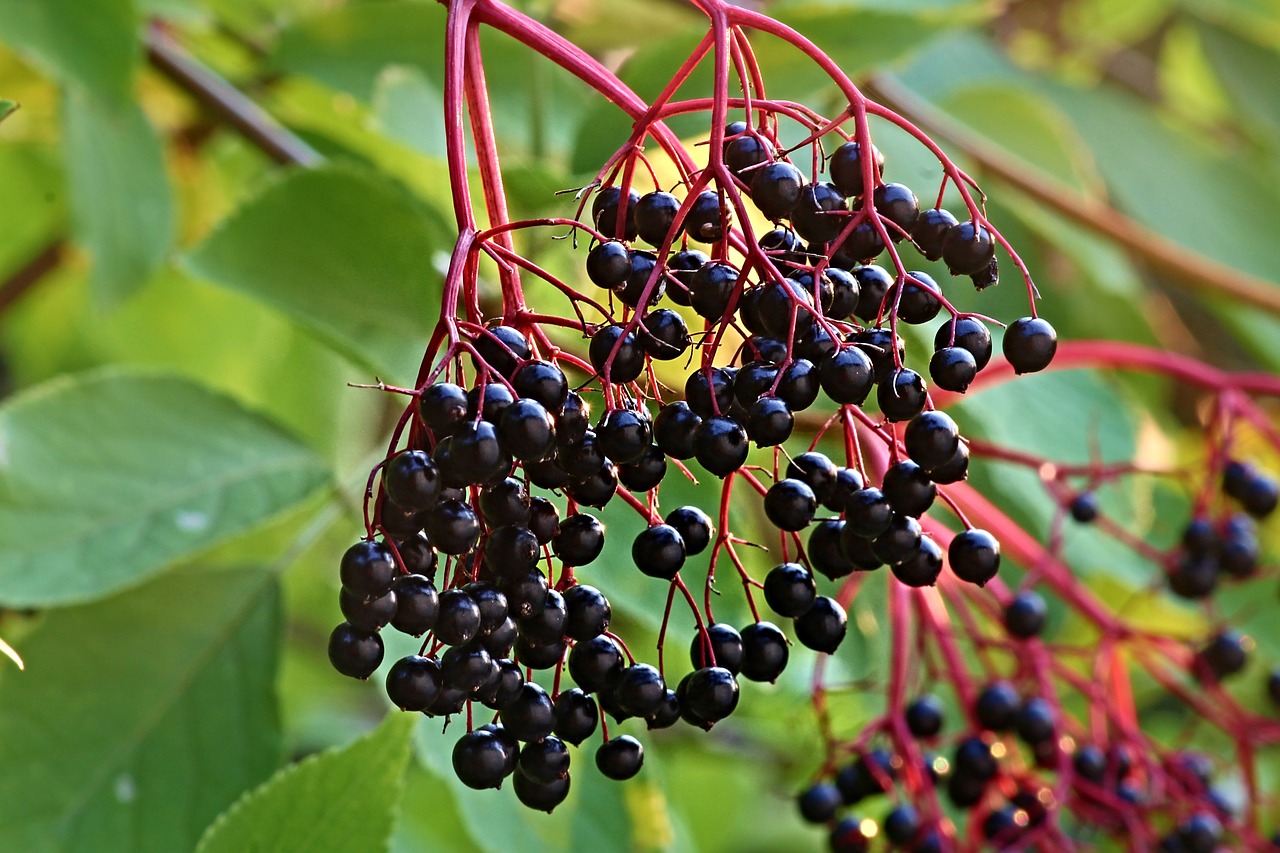
The Importance of Food Coloring in the Industry
Food coloring does more than just make food look appealing — it can influence how consumers perceive taste and freshness. For instance, a vibrant color can make a drink look more refreshing or a dessert more appetizing. That’s why choosing the right food color suppliers is critical for food manufacturers, bakeries, and beverage companies.
Reliable suppliers provide high-quality colors that are not only visually consistent but also safe for consumption. They ensure their products meet international food safety standards and regulatory guidelines. Whether used in dairy, confectionery, or savory products, food colors help brands create a signature appearance that attracts customers and strengthens their identity.
The Rise of Natural Food Color Suppliers
In recent years, there has been a significant shift toward clean-label and natural ingredients. Consumers today are more health-conscious and prefer products that are free from artificial additives and chemicals. This change in consumer behavior has led to the rapid growth of natural food color suppliers, who specialize in offering color solutions derived from plants, fruits, and vegetables.
Natural food colors not only enhance the beauty of the product but also align with the values of transparency and sustainability. Ingredients such as turmeric, beetroot, spirulina, and paprika extract are now widely used for achieving yellow, red, green, and orange hues. These natural alternatives are safer and provide an authentic, earthy look that synthetic colors often cannot replicate.
Choosing a reliable natural food color supplier ensures consistency in shade, stability, and performance — all of which are crucial for large-scale production. As industries move toward greener practices, the importance of these suppliers continues to grow.
Key Factors to Consider When Choosing Food Color Suppliers
When selecting food color suppliers, businesses should look beyond price and focus on quality, innovation, and compliance. Here are some essential factors to keep in mind:
Product Range: A good supplier offers both synthetic and natural color options to meet different production needs.
Quality Assurance: Ensure the supplier follows strict quality control processes and provides certification for safety and purity.
Customization: Many suppliers offer customized shades to match brand requirements or product-specific needs.
Stability and Shelf Life: The color should remain stable under different storage and processing conditions.
Regulatory Compliance: Always choose suppliers who comply with international food standards like FSSAI, FDA, or EFSA.
By partnering with trusted food color suppliers, manufacturers can ensure consistent product quality and consumer satisfaction.
Conclusion
The food industry thrives on creativity, quality, and visual appeal — and color plays a central role in that success. Whether you’re looking for innovative synthetic solutions or eco-friendly alternatives, both food color suppliers and natural food color suppliers are essential partners in delivering excellence. As the market continues to evolve, brands that embrace safe, natural, and sustainable color choices will stand out from the rest.
For premium-quality natural and synthetic food color solutions, visit foodrgb.com — your trusted partner for reliable, vibrant, and safe food coloring products.


Comments
Post a Comment